1075 Harrison City Export Rd # 3, Jeannette, PA 15644


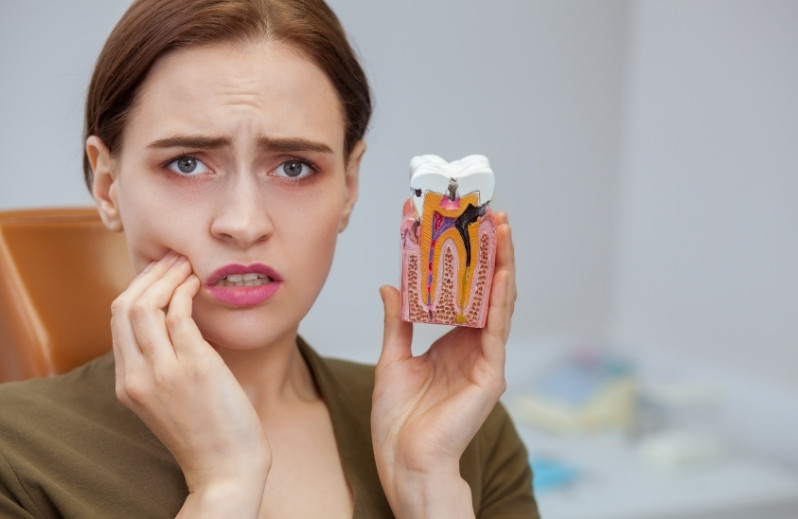
Toothaches, though common, can vary in intensity and origin. While some discomfort may be alleviated with over-the-counter remedies, others may signal a more serious issue requiring immediate attention. Recognizing the signs of a dental emergency can make all the difference in preserving your oral health. In this article, we’ll delve into the key indicators, essential information, and steps to take when faced with a potentially urgent dental situation.
1. Understanding the Basics: What Causes Toothaches?
Toothaches can stem from various causes, such as cavities, gum disease, dental abscesses, or even grinding your teeth. Toothaches can have various causes, and pinpointing the exact reason requires an evaluation by a dentist. However, common causes of toothaches include:
Tooth Decay: The most common cause of toothaches is tooth decay or cavities. When bacteria in the mouth produce acids that erode the enamel, it can lead to the formation of cavities, causing pain and sensitivity.
Gum Disease: Infections or inflammation of the gums (gingivitis or periodontitis) can lead to toothaches. As gum disease progresses, it may cause the gums to recede, exposing the tooth roots and leading to increased sensitivity and pain.
Dental Abscess: An abscess is a pus-filled sac that can form at the root of a tooth or between the teeth and gums. It is often a result of untreated tooth decay or an infection and can cause severe pain.
Tooth Fracture: Cracks or fractures in a tooth, which can occur due to trauma, teeth grinding (bruxism), or biting down on hard objects, can lead to toothaches.
Impacted Wisdom Teeth: Wisdom teeth, or third molars, can become impacted (unable to fully emerge) and cause pain, swelling, and discomfort.
Sensitivity: Tooth sensitivity can cause sharp pain when exposed to hot or cold temperatures, sweet foods, or air. It can result from exposed dentin (the inner layer of the tooth) due to enamel erosion or receding gums.
2. Signs That Warrant Immediate Attention: A Red Flag Checklist
Not all toothaches are created equal. Certain signs indicate a dental emergency that should not be ignored. These include:
a. Severe and Prolonged Pain
If your toothache is intense and persists for an extended period, it may be a sign of an underlying problem that requires urgent dental care.
b. Swelling and Puffiness
Visible swelling around the affected tooth or in the surrounding gums could be indicative of an infection, necessitating prompt attention.
c. Bleeding Gums
If your toothache is accompanied by bleeding gums, it may be a symptom of advanced gum disease, requiring immediate dental assessment.
d. Fever and Fatigue
Systemic symptoms like fever and fatigue accompanying a toothache may suggest the presence of a severe infection that requires urgent treatment.
3. Immediate Actions to Take: Dos and Don’ts
Experiencing a toothache can be uncomfortable and distressing, but taking immediate actions can help manage the situation until you can see a dentist. Here are some dos and don’ts:
Dos:
- Rinse Your Mouth: Do rinse your mouth with warm water to clean the area around the tooth. This can help remove debris and bacteria.
- Floss Gently: Do floss gently to ensure there’s no food or debris caught between the teeth. Sometimes, this alone can relieve the pain.
- Apply a Cold Compress: If there is swelling, do apply a cold compress to the outside of your cheek. This can help reduce inflammation and numb the area.
- Use Clove Oil: If available, do apply a small amount of clove oil to the affected area using a cotton ball. Clove oil has natural numbing properties.
Don’ts:
- Avoid Hot or Cold Foods: Don’t consume extremely hot or cold foods and beverages, as they can exacerbate tooth sensitivity and pain.
- Limit Sugary Foods: Avoid sugary foods and drinks as they can contribute to tooth decay and worsen the situation.
- Don’t Apply Aspirin Directly: Avoid placing aspirin directly on the gum or tooth. It can cause irritation and damage to the soft tissues.
- Skip Professional Evaluation: Don’t ignore a persistent toothache. Even if the pain subsides temporarily, it’s crucial to seek a professional dental evaluation to address the underlying cause.
- Don’t Use Excessive Pressure: If you’re using a cold compress, don’t apply excessive pressure. Gentle application is sufficient to reduce swelling.
4. When to Seek Emergency Dental Care: A Timely Decision Guide
Determining when to seek emergency dental care is crucial in preventing further complications. Consider seeking immediate attention if you experience:
- Intense and persistent pain
- Swelling that affects your ability to breathe or swallow
- Trauma or injury to the mouth or teeth
- Severe bleeding that does not stop
Prioritize Your Oral Health
Your oral health is an integral part of your overall well-being. If you suspect a dental emergency, don’t hesitate to contact your dentist or visit an emergency dental clinic promptly. Timely intervention can prevent the escalation of the issue and ensure swift relief from discomfort.
FAQs: Clearing Common Concerns
Q1. Can I manage a toothache at home?
A1. Mild toothaches can be managed at home by practicing good oral hygiene, using over-the-counter pain relievers, and applying cold compresses. However, persistent or severe pain requires professional assessment.
Q2. How do I differentiate between a regular toothache and a dental emergency?
A2. Signs of a dental emergency include severe and prolonged pain, swelling, bleeding gums, and systemic symptoms like fever. If you experience any of these, seek immediate dental care.
Q3. What should I do if I can’t reach my regular dentist during an emergency?
A3. In case of emergency, contact local emergency dental clinics or visit the nearest hospital. They can provide immediate assistance and guidance.
In conclusion, recognizing the signs of a dental emergency is paramount for maintaining optimal oral health. By understanding the indicators and taking prompt action, you can ensure that your toothache doesn’t escalate into a more severe issue. Prioritize your oral health, and remember that timely intervention is key to a pain-free and healthy smile.