1075 Harrison City Export Rd # 3, Jeannette, PA 15644


If you have damaged, missing, or decayed teeth, you may be asking yourself: is restorative dentistry right for your smile in Jeannette? The answer depends on several personal factors. Dr. Julie Yu at Pearl Dentistry Penn Township helps patients understand their options through a thorough evaluation. This article walks you through what restorative dentistry involves and how to know if it fits your needs.
What Is Restorative Dentistry and Who Needs It?
Restorative dentistry focuses on repairing and replacing damaged or missing teeth. The goal is to restore function, comfort, and appearance to your smile. It covers a wide range of treatments, from simple fillings to full-mouth rehabilitation.
You may be a candidate for restorative care if you experience any of the following:
- Tooth pain or sensitivity that does not go away
- Visible cracks, chips, or fractures in teeth
- One or more missing teeth
- Teeth worn down from grinding or acid erosion
- Old or failing dental work that needs replacement
These issues are not just cosmetic concerns. Left untreated, they can affect your bite, jaw health, and overall well-being. Catching problems early makes treatment simpler and more effective.
How Dr. Yu Evaluates Your Candidacy in Jeannette
Determining whether restorative dentistry is right for your smile in Jeannette starts with a comprehensive exam. Dr. Yu examines your teeth, gums, and jaw during this visit. She uses digital X-rays to get a complete picture of what is happening beneath the surface.
The evaluation typically includes the following steps:
- A review of your dental and medical history
- A visual exam of every tooth and soft tissue
- Digital X-rays or 3D imaging when needed
- A bite analysis to check jaw alignment
- A discussion of your goals, concerns, and lifestyle
This process gives Dr. Yu the information she needs to recommend the most appropriate treatment. No two patients have the same needs, so the evaluation is always personalized. You leave the appointment with a clear understanding of your options.
Key Factors That Determine the Best Restorative Approach
Several factors influence which restorative treatments work best for you. Your overall oral health plays a major role. Active gum disease or untreated decay must be addressed before most restorative work begins.
Other important factors include:
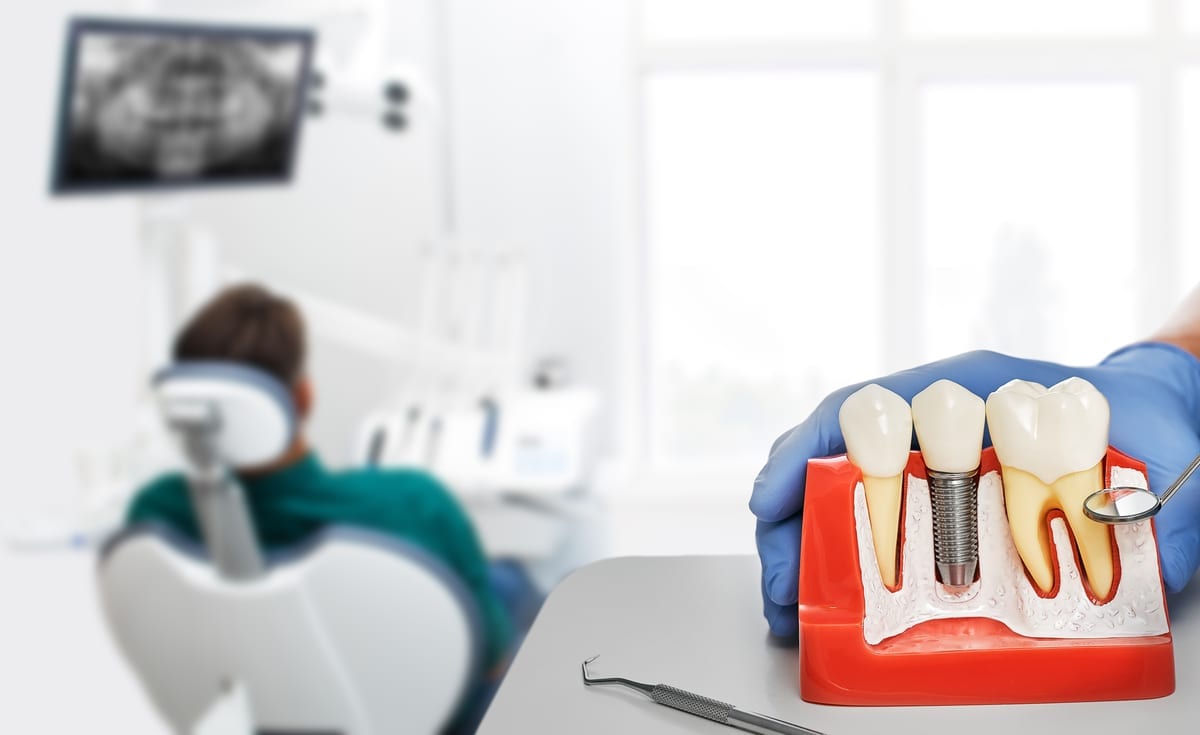
- Bone density: Important for patients considering dental implants
- Number of missing teeth: Affects whether a bridge, partial, or implant is recommended
- Tooth location: Front teeth and back teeth have different functional demands
- Extent of damage: Determines whether a filling, crown, or extraction is necessary
- Patient goals: Some patients prioritize function; others focus on aesthetics
Dr. Yu takes time to explain how each factor affects your treatment plan. She wants you to feel informed and confident before any procedure begins. Open communication is a core part of care at Pearl Dentistry Penn Township.
It is also worth noting that restorative dentistry often works alongside other services. For example, patients dealing with sudden tooth pain or trauma may first need Emergency Dentistry before moving forward with restorative work. Addressing urgent concerns first protects both your health and your investment in long-term care.
Common Restorative Treatments and What They Address
Pearl Dentistry Penn Township offers several restorative solutions to meet different needs. Each treatment targets a specific type of dental problem. Knowing what is available helps you understand what to expect from your evaluation.
Common restorative treatments include:
- Dental fillings: Repair cavities and small areas of decay
- Dental crowns: Cover and protect cracked or severely damaged teeth
- Dental bridges: Replace one or more missing teeth using adjacent teeth for support
- Dentures: Restore a full arch of missing teeth with removable or fixed options
- Root canal therapy: Save an infected tooth by removing damaged inner tissue
Some patients also combine restorative and Cosmetic Dentistry treatments. For instance, a crown can restore a broken tooth while also improving its appearance. Dr. Yu helps you understand which combination best serves your goals.
Restorative treatments are designed to last for many years with proper care. Regular checkups, good brushing habits, and a healthy diet all extend the life of your dental work. Your role in maintenance is just as important as the treatment itself.
What to Expect After Your Restorative Treatment
Recovery and adjustment time vary depending on the procedure you receive. Simple fillings typically involve little to no downtime. More involved treatments like crowns or root canals may cause mild soreness for a few days.
Dr. Yu provides clear aftercare instructions after every procedure. She explains what to eat, what to avoid, and when to call if something feels off. Her team is always available to answer questions during your recovery.
Following your treatment, routine preventive care becomes even more important. Regular cleanings help protect your restorative work and catch new issues early. Staying consistent with your dental visits supports the long-term success of your treatment.
Is Restorative Dentistry Right for Your Smile? Find Out Today
If damaged or missing teeth are affecting your daily life, restorative dentistry may be exactly what you need. The best way to find out is to schedule a consultation with Dr. Julie Yu. She will evaluate your unique situation and walk you through your best options.
Patients throughout Jeannette and the surrounding communities trust Pearl Dentistry Penn Township for honest, patient-centered care. Whether you need a single filling or a more involved treatment plan, Dr. Yu is here to help. Book Now to schedule your appointment with our team.
Frequently Asked Questions
How do I know if I need restorative dentistry?
Common signs include tooth pain, visible damage, sensitivity to hot or cold, or a missing tooth. The best way to know for sure is to schedule a dental exam. Dr. Yu can identify problems and recommend the right treatment during your visit.
Is restorative dentistry painful?
Most restorative procedures involve local anesthesia to keep you comfortable. You may feel mild soreness after certain treatments, but serious pain is uncommon. Dr. Yu discusses comfort options with every patient before any procedure begins.
How long do restorative treatments last?
The lifespan of restorative work depends on the type of treatment and how well you care for it. Fillings can last 10 or more years, while crowns and implants may last 15 to 25 years or longer. Good oral hygiene and regular checkups help maximize longevity.
Can I get restorative and cosmetic treatments at the same time?
Yes, many patients combine both approaches. For example, a porcelain crown can restore a damaged tooth while also improving its appearance. Dr. Yu can help you plan a treatment approach that meets both your health and aesthetic goals.
Do I need to treat gum disease before getting restorative work done?
In most cases, yes. Gum disease must be under control before restorative procedures can be performed safely. Dr. Yu will identify any active gum issues during your evaluation and recommend treatment before moving forward.