1075 Harrison City Export Rd # 3, Jeannette, PA 15644


A tiny cavity might not seem urgent. It does not hurt yet. You may not even notice it. But ignoring small cavities is one of the fastest ways to end up needing a root canal. At Pearl Dentistry Penn Township in Jeannette, PA, Dr. Julie Yu helps patients stop small cavities before they become root canals — saving time, money, and a lot of unnecessary discomfort.
This article explains how cavities progress, what happens when they go untreated, and why early action is always your best option.
How a Small Cavity Becomes a Big Problem
Tooth decay does not stay small forever. It starts as a tiny soft spot in your enamel. Over time, bacteria eat deeper into the tooth structure. Without treatment, decay reaches the inner pulp of the tooth.
The pulp contains nerves and blood vessels. Once decay reaches it, infection sets in. That is when a simple filling is no longer enough. A root canal becomes necessary to save the tooth.
This process can happen faster than most people expect. Some cavities progress from minor to severe within months. Regular dental visits catch decay early — before it ever reaches that stage.
Stop Small Cavities Before They Become Root Canals in Jeannette: Why Early Treatment Wins
Early cavity treatment is simple, quick, and affordable. A small filling takes one short appointment. It restores the tooth completely. Your bite, appearance, and comfort all stay intact.
Compare that to a root canal, which involves multiple steps. The infected pulp must be removed. The canals are cleaned and sealed. A crown is often placed over the tooth afterward. That is significantly more time in the dental chair.
Acting early means less drilling, less discomfort, and less disruption to your daily life. Dr. Julie Yu uses gentle, modern techniques to treat cavities at their earliest stage. Her goal is always to preserve as much natural tooth structure as possible.
Here are the key advantages of treating cavities early:
- Shorter, simpler appointments
- Less discomfort during and after treatment
- Lower overall cost compared to advanced procedures
- Better long-term outcomes for the tooth
- No need for crowns, posts, or additional restorations
Warning Signs You Should Never Ignore
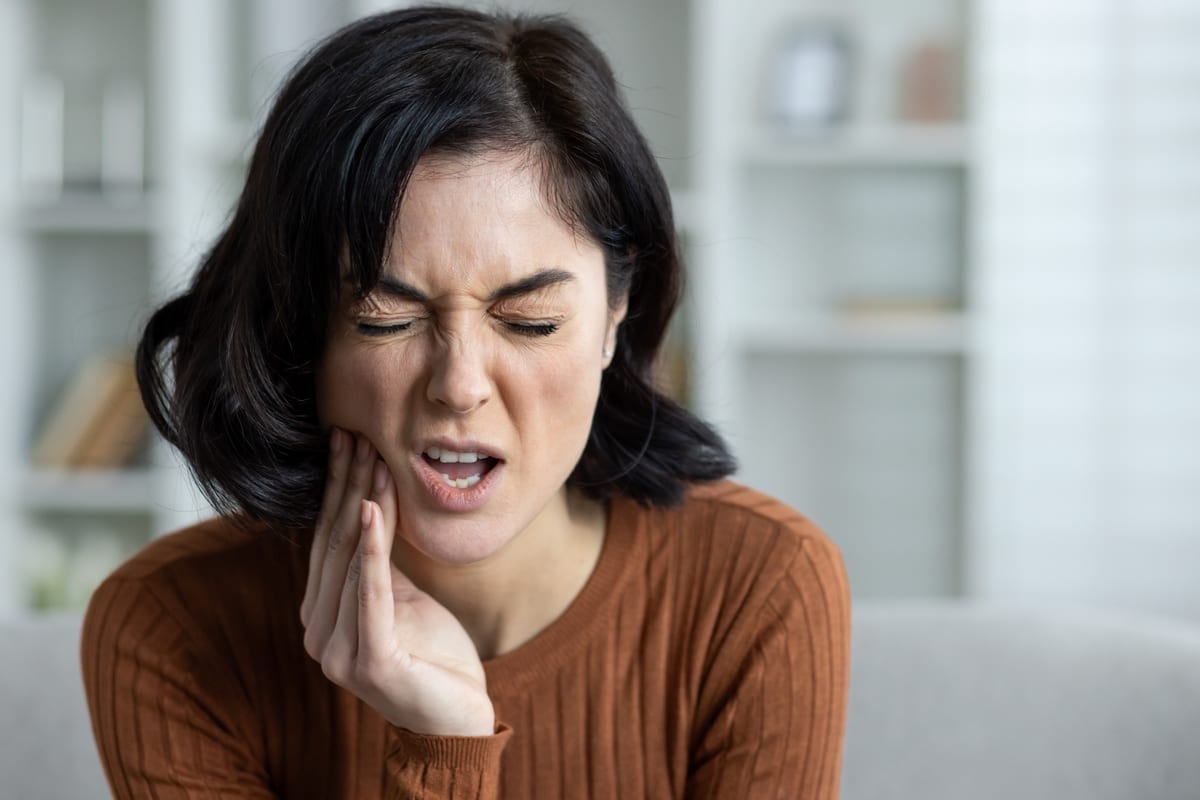
Many small cavities cause no pain at all. That silence is part of what makes them dangerous. By the time a tooth starts aching, decay is usually already advanced. Waiting for pain is waiting too long.
However, some early warning signs do appear. Pay attention to these signals:
- Sensitivity to hot, cold, or sweet foods
- A visible dark spot or white mark on a tooth
- Mild discomfort when biting down
- Food getting caught in a specific area repeatedly
- A rough or chipped edge on a tooth surface
If you notice any of these, do not wait. Schedule a visit with Dr. Yu as soon as possible. Catching the issue now keeps your options open and your treatment simple.
If you are already experiencing sharp or persistent tooth pain, you may need Emergency Dentistry Jeannette services right away. Dr. Yu and the Pearl Dentistry team are ready to help.
What Preventive Dentistry Looks Like at Pearl Dentistry Penn Township
Prevention is the foundation of everything Dr. Julie Yu does at Pearl Dentistry Penn Township. Routine exams and cleanings are the first line of defense. They allow the team to spot early decay before it causes symptoms.
Digital X-rays reveal decay hiding between teeth. Visual exams catch surface changes. These tools together create a complete picture of your oral health. Nothing slips through unnoticed.
Beyond exams, the practice offers preventive treatments like fluoride applications and dental sealants. Sealants coat the chewing surfaces of back teeth, blocking bacteria from settling into grooves. Fluoride strengthens enamel and makes it more resistant to acid. Both are fast, painless, and highly effective.
Patients who visit consistently are far less likely to need complex restorative work. That consistency is the single most powerful tool for protecting your smile long-term.
When Cavities Are Already Advanced: Your Restorative Options
Sometimes patients come to us after decay has already progressed. That is okay. It happens, and we are here to help without judgment. The goal shifts from prevention to restoration — getting the tooth healthy and functional again.
Pearl Dentistry Penn Township offers a full range of restorative treatments. These include tooth-colored fillings, inlays, onlays, and dental crowns. If a root canal is needed, Dr. Yu will coordinate your care and explain every step clearly.
After your tooth is fully restored, it can look completely natural. Many patients are also interested in Cosmetic Dentistry Jeannette options to enhance the appearance of restored teeth and surrounding areas. A healthy smile can also be a beautiful one.
No matter where your dental health stands today, there is a path forward. Dr. Yu creates personalized treatment plans that address your current needs and protect against future problems.
Building Good Habits Between Appointments
What you do at home matters just as much as your dental visits. Strong daily habits prevent new cavities from forming. They also slow the progression of any existing decay.
Dr. Yu recommends these simple but powerful habits:
- Brush at least twice daily with fluoride toothpaste
- Floss once every day to remove plaque between teeth
- Limit sugary snacks and acidic beverages
- Drink plenty of water, especially fluoridated tap water
- Replace your toothbrush every three to four months
These steps sound basic, but they are enormously effective. Combined with regular professional care, they drastically reduce your risk of needing advanced treatment.
Conclusion: Do Not Let a Small Problem Become a Large One
Cavities are among the most preventable dental problems. Yet untreated, they become root canals, extractions, and costly restorations. The difference comes down to timing. Patients in Jeannette, PA who visit Pearl Dentistry Penn Township regularly give themselves the best possible chance of catching problems early. Dr. Julie Yu is committed to honest, compassionate, and proactive care. Her practice is built on the belief that informed patients make better decisions for their health. Book Now to schedule your appointment with our team.
Frequently Asked Questions
How often should I visit the dentist to prevent cavities from worsening?
Most adults benefit from visiting the dentist every six months. Some patients with a higher risk of decay may need more frequent visits. Dr. Yu will recommend a schedule based on your individual oral health needs.
Can a small cavity heal on its own without treatment?
Very early enamel lesions can sometimes be reversed with fluoride and improved hygiene. However, once a cavity has broken through the enamel surface, it will not heal on its own. Professional treatment is always required at that stage.
What does a tooth filling feel like?
Modern fillings are done under local anesthesia, so you should feel little to no discomfort during the procedure. Afterward, some mild sensitivity is normal for a few days. Most patients return to normal activities immediately after their appointment.
How do I know if I need a root canal instead of a filling?
Dr. Yu uses X-rays and a clinical exam to determine how far decay has progressed. If the pulp is infected or severely damaged, a root canal is necessary. If the decay is caught early, a filling is usually all that is needed.
Are dental sealants only for children?
Sealants are most commonly applied to children’s permanent molars, but adults can benefit from them too. If your back teeth have deep grooves and no existing decay or fillings, sealants can provide added protection. Ask Dr. Yu if they are right for you.