1075 Harrison City Export Rd # 3, Jeannette, PA 15644


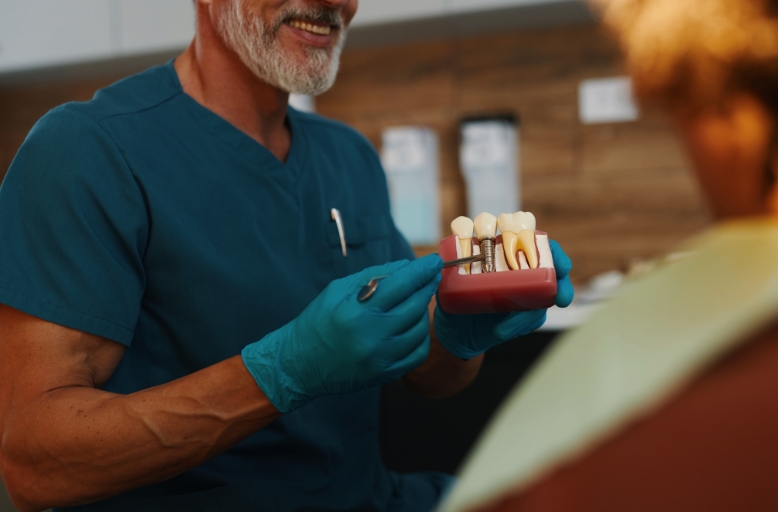
Most people researching tooth replacement hear a lot about implants and crowns. But the piece that actually holds everything together – the abutment, rarely gets the attention it deserves. If you’re looking into dental implants in Jeannette, knowing what an abutment is and what it does can help you walk into your consultation feeling prepared, not puzzled.
Here’s the honest breakdown of what an abutment is, why it’s so important, and what you can realistically expect during the process.
What Is a Dental Abutment?
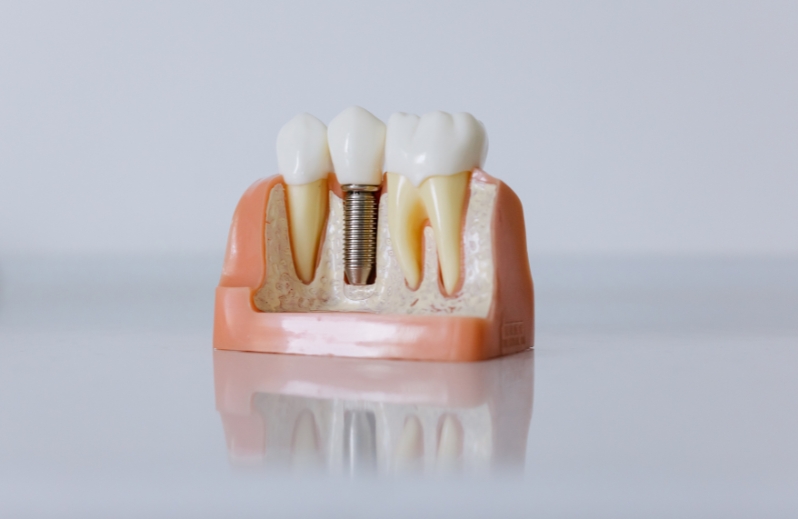
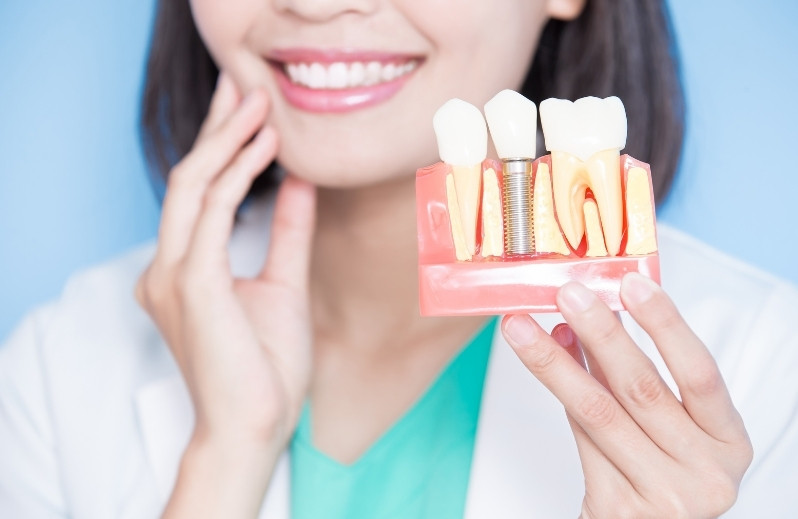
Think of a dental implant as a three-part system. At the bottom, there’s the implant post – a small titanium screw placed directly into your jawbone. At the top, there’s the crown (the tooth-colored cap you actually see when you smile). The abutment joins the two.
It’s a small, shaped piece made from titanium, zirconia, or sometimes a combination of materials. Once the implant post has fully integrated with your jawbone (a process called osseointegration), the abutment is attached to it. Your custom-made crown for a dental implant is then secured onto the abutment. Without it, there’s nothing to anchor the crown to.
Why the Abutment Is More Important Than Most People Realize
The abutment does far more than just connect two parts. It plays a direct role in how your implant looks, functions, and holds up over time. Here’s why it carries so much weight in the overall outcome:
- It shapes the gum line. The abutment sits just above your gumline, and its shape directly influences how the surrounding gum tissue forms. A well-designed abutment encourages the gum to contour naturally around the crown, so the final result looks like a real tooth, not a prosthetic one.
- It bears the force of biting. Every time you chew, that pressure travels through your crown, down through the abutment, and into the implant post. The abutment has to handle this load day after day during every meal. Choosing the right material and getting the fit right are non-negotiable.
- It protects the implant from infection. A well-fitted abutment creates a seal between the implant and the oral environment. A poor fit, on the other hand, can leave microscopic gaps where bacteria accumulate – a direct risk to the longevity of your implant.
In short, the abutment is where form meets function. Skip over it, and you’re ignoring one of the most consequential components of the entire treatment.
Types of Dental Abutments – Which One Is Right for You?
Not all abutments are the same, and the right choice depends on factors specific to your anatomy, the location of the implant, and the kind of restoration being placed. Your dentist will walk you through this, but here’s a quick look at the main options:
Titanium Abutments
Titanium is the gold standard for abutment material. It’s incredibly strong, biocompatible (meaning your body is unlikely to reject it), and corrosion-resistant. Titanium abutments are most commonly used for posterior (back) teeth, where strength matters more than aesthetics.
Zirconia Abutments
Zirconia abutments are tooth-colored, making them the go-to choice for front teeth or any visible area where you want the restoration to look as natural as possible. They don’t carry a gray metallic hue that can sometimes show through gum tissue, which is a real advantage in the smile zone. Zirconia is also highly biocompatible and has low plaque affinity, meaning less bacterial buildup over time.
Custom vs. Stock Abutments
Stock abutments come in pre-fabricated sizes and are suitable when the implant position is ideal. Custom abutments are individually milled to match your dental anatomy. Research published in the International Journal of Oral & Maxillofacial Implants has shown that custom abutments produce soft tissues faster than stock options.
What to Expect During Abutment Placement
After the implant post is placed and osseointegration is complete, you’ll come back in for the abutment placement. This appointment is often referred to as the second-stage surgery, though it’s significantly less involved than the initial implant procedure.
Your dentist will make a small incision in the gum tissue (if it has grown over the implant) to expose the implant post. The abutment is then attached and torqued to the correct specification (between 25 and 35 Newton-centimeters) to ensure stability. Once placed, the gum tissue is allowed to heal around it, usually over two to six weeks. This healing period lets the gum form its natural contour before your permanent crown is seated.
Some implant systems use a one-stage approach where the abutment is attached at the same time as the implant post. Your dentist will determine the appropriate protocol based on your bone density, gum health, and treatment plan.
Healing Abutments: A Step You Might Not Know About
Before your permanent abutment goes in, many dentists use what’s called a healing abutment (also known as a healing cap or gingival former). This temporary component sits in place while your gum tissue heals and forms the correct shape around the implant site.
It’s a small but meaningful step. The healing abutment trains the gum to develop a collar that mirrors what a natural tooth would have, which sets the stage for the final restoration to look and feel completely seamless. Once the tissue has matured, the healing abutment is replaced with your final one, and the crown can be fabricated and fitted.
Getting Implant Treatment Right in Jeannette
Patients from Jeannette and the surrounding communities, including Greensburg, Murrysville, and Irwin, have long relied on Pearl Dentistry Penn Township for comprehensive restorative care. When it comes to implants, the detailed work matters as much as the procedure itself. The abutment selection, placement precision, and gum tissue management are all factors that separate a good outcome from a great one.
According to the American Academy of Implant Dentistry, about 3 million Americans have dental implants, and that number grows by roughly 500,000 per year. The increasing demand has also raised patient awareness, and that’s a good thing. When you understand what goes into your treatment, you’re better positioned to make informed decisions about your care.
If you’re considering dental implants in Jeannette or just beginning to explore your tooth replacement options, the team at Pearl Dentistry Penn Township is ready to walk you through every component — including the one most people forget to ask about.
How Long Does a Dental Abutment Last?
A well-placed and well-maintained abutment can last for decades, often as long as the implant post itself. Titanium abutments in particular have an outstanding long-term track record. The crown placed on top may need replacing after 10 to 15 years due to normal wear, but the underlying abutment typically remains intact.
The key to longevity is maintenance. Brush twice daily, floss around the implant (there are floss threaders and water flossers designed specifically for this), and don’t skip your regular dental check-ups. Peri-implantitis — inflammation around the implant — is the most common reason implants fail prematurely, and it’s almost entirely preventable with consistent hygiene.
Signs the Abutment May Need Attention
In most cases, you won’t feel your abutment at all once everything is healed and in place. But there are a few warning signs worth knowing:
- A slight movement or rocking sensation in your crown
- Gum soreness or swelling around the implant site
- A change in how your bite feels
- An unusual taste or odor that doesn’t resolve with brushing
Any of these symptoms warrants a call to your dentist. Abutment loosening is one of the more common implant complications, and it’s a quick fix when caught early. Left unaddressed, it can cause damage to the underlying implant structure.
The team at Pearl Dentistry Penn Township takes implant treatment seriously at every stage, including the details most practices gloss over. If you have questions about the process, want a consultation, or are ready to move forward, contact us today to schedule your appointment. We serve patients throughout Jeannette, Penn Township, and the greater Westmoreland County area, and we’re here to help you make the right decision for your smile
People Also Ask
Can a dental abutment be replaced without removing the implant?
Yes, in most cases. The abutment is a separate component screwed into the implant post, so it can typically be removed and replaced without disturbing the implant itself. This is one reason why catching abutment issues early matters – it’s a straightforward repair.
Is the abutment placement procedure painful?
Most patients report minimal discomfort during abutment placement. Local anesthesia is used to numb the area, and since the implant site has already healed, the procedure is less involved than the initial surgery. Some tenderness in the days following is normal and typically manageable with over-the-counter pain relief.
How do I care for my implant after the abutment is placed?
During the healing period, keep the area clean but be gentle. Soft-bristled brushes and saltwater rinses work well in the early days. Once everything is healed and your crown is in place, care for the implant just like a natural tooth – brush, floss, and see your dentist regularly.
Is zirconia always better than titanium for abutments?
Not necessarily – it depends on location. For front teeth, zirconia’s tooth-colored appearance is a significant advantage. For back teeth, titanium’s superior strength makes it the more reliable option. Your dentist will recommend the material that fits your specific situation, not a one-size-fits-all approach.
Can gum recession affect the abutment area over time?
Yes, it can. If gum recession occurs around an implant, the abutment may become partially visible, which can affect aesthetics, especially in the front of the mouth. Gum recession around implants is often linked to bone loss or inadequate tissue volume at the time of placement. Regular check-ups allow your dentist to monitor tissue levels and intervene if needed.