1075 Harrison City Export Rd # 3, Jeannette, PA 15644



Dental emergencies can strike at any time, often when we least expect them. Whether you’ve broken a tooth while playing sports, lost a dental crown, or are experiencing a severe toothache, knowing how to handle these situations and seek prompt emergency dentistry care is crucial. In this blog, we’ll explore common dental emergencies and the solutions available for each situation.
The Importance of Prompt Dental Care
Dental emergencies can vary widely in their severity, but they all have one thing in common: the need for swift and effective treatment. Delaying or ignoring a dental emergency can lead to further complications, increased pain, and potentially more extensive and costly treatments down the road. It’s essential to know how to respond and seek emergency dentistry solutions to minimize the situation’s impact.
1. Broken or Chipped Teeth
Accidents happen, and when they involve a blow to the face or a hard object, it can result in a broken or chipped tooth. In this scenario:
– Immediate Response: Rinse your mouth with warm water and apply a cold compress to reduce swelling.
– Emergency Dentistry Solution: Depending on the severity, a dentist can use dental bonding, veneers, or dental crowns to repair the tooth. In cases of severe damage, a root canal may be necessary.
2. Lost or Knocked-Out Teeth
A knocked-out tooth can be one of the most distressing dental emergencies, but there’s a chance to save the tooth if you act quickly:
– Immediate Response: Pick up the tooth by the crown (the part visible in the mouth) and avoid touching the roots. Gently rinse it with clean water if it’s dirty, but don’t scrub it. Attempt reinsertion into the socket or place it in a container of milk.
– Emergency Dentistry Solution: Visit a dentist in Penn Township, immediately. Time is critical for saving the tooth. A dentist may be able to reattach it if you act within the first hour or so.
3. Lost Dental Crown or Filling
Losing a dental crown or filling can be painful and leave the tooth vulnerable to further damage:
– Immediate Response: If you still have the dental crown, you can try to reattach it temporarily with dental cement available at most drugstores. Refrain from biting with the impacted tooth until it’s restored.
– Emergency Dentistry Solution: See a dentist as soon as possible. They can assess the situation and either reattach the crown or provide a new one.
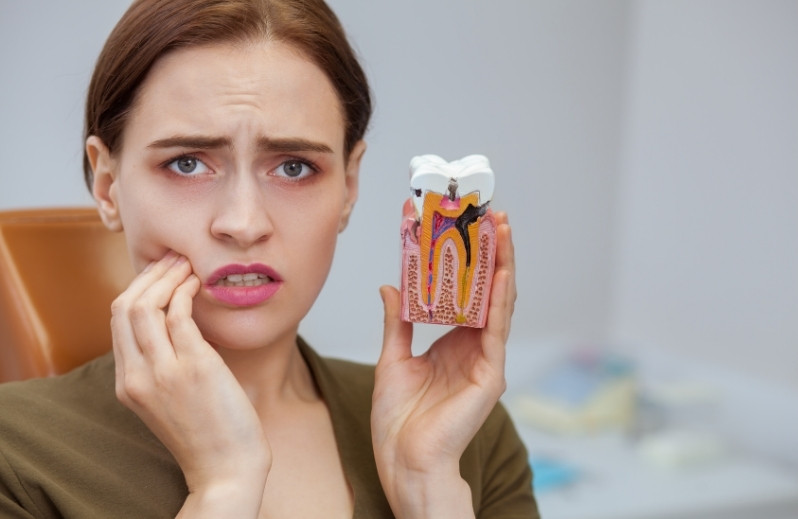
4. Severe Toothache
A severe toothache can be incredibly painful and is often a sign of an underlying issue:
– Immediate Response: Rinse your mouth with warm water and floss gently to remove any debris causing the pain. Avoid placing aspirin or any other medication on the gum, as it can cause damage.
– Emergency Dentistry Solution: Contact a dentist for an appointment. They will diagnose the cause of the toothache, which could be due to decay, infection, or gum disease, and provide the appropriate treatment.
5. Dental Abscess or Infection
A dental abscess is a pocket of pus that forms due to an infection:
– Immediate Response: Rinse your mouth with a mild saltwater solution to reduce pain and discomfort. Non-prescription pain relievers can provide temporary pain relief.
– Emergency Dentistry Solution: Seek immediate dental care. A dentist will drain the abscess, treat the infection, and may prescribe antibiotics.
6. Broken Braces or Wires
Orthodontic emergencies can happen, especially for those with braces:
– Immediate Response: If a wire is poking or causing discomfort, try to gently move it away from the soft tissues in your mouth. Utilize orthodontic wax to shield or mask any sharp edges.
– Emergency Dentistry Solution: Contact your orthodontist for advice and an appointment to repair or replace damaged components.
7. Objects Stuck Between Teeth
Sometimes, food particles or other objects can become lodged between your teeth, causing pain or discomfort:
– Immediate Response: Attempt to remove the object with dental floss gently. Avoid using sharp or pointed objects that may damage the gums or teeth.
– Emergency Dentistry Solution: If you can’t remove the object or if pain persists, consult a dentist who can safely address the issue.
Where to Seek Emergency Dentistry Care
In a dental emergency, the first step is to contact a dentist. Many dental practices have provisions for handling emergencies, and they can guide you over the phone while scheduling an appointment. If the emergency occurs outside of regular office hours, consider visiting an emergency dental clinic or contacting an on-call dentist for immediate assistance.
Remember that prevention is the best approach to dental emergencies. Regular dental check-ups, good oral hygiene practices, and wearing mouthguards during sports can help reduce the risk of these unexpected situations.
Dental emergencies can be distressing, but with the right knowledge and swift action, most situations can be effectively resolved with the help of emergency dentistry care. Knowing how to respond to common dental emergencies is an essential skill that can save your smile and alleviate pain and discomfort, ultimately contributing to your overall well-being.