1075 Harrison City Export Rd # 3, Jeannette, PA 15644


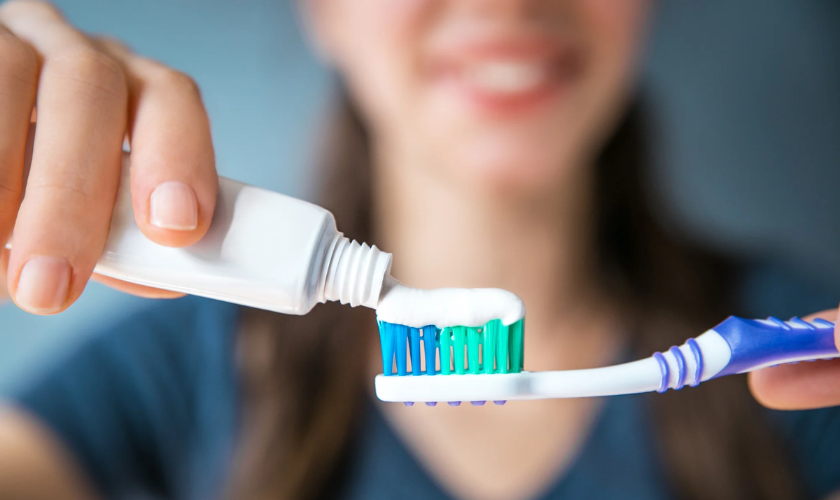
In the vast landscape of oral care, the humble toothbrush stands as a stalwart guardian, diligently defending our teeth against the daily onslaught of plaque and bacteria. Yet, not all toothbrushes are created equal. The choice of this seemingly mundane tool can significantly impact our dental health. Join us on a journey into the world of oral hygiene as we unravel the reasons why choosing the right toothbrush matters more than we might realize. From bristle types to handle designs, we’ll explore the intricacies that make this dental companion a critical player in the pursuit of a radiant smile.
Effective Plaque Removal
One of the primary reasons why choosing the right toothbrush is essential is its effectiveness in plaque removal. Plaque is a sticky film of bacteria that constantly forms on teeth. Using a toothbrush with the right bristle type and size ensures that you can reach all surfaces of your teeth, removing plaque and preventing the buildup of tartar.
Prevention of Gum Disease
The right toothbrush can contribute significantly to preventing gum disease. Soft bristles are generally recommended, as they are gentle on the gums and effectively clean teeth without causing damage. Using a toothbrush with hard bristles may lead to gum recession and increased sensitivity, making the gums more susceptible to infections and diseases.
Protection for Tooth Enamel
The enamel, the outer layer of your teeth, is crucial for protecting them from decay. Using a toothbrush with soft bristles is vital to prevent enamel erosion. Hard bristles, if used vigorously, can wear down the enamel over time, leading to increased tooth sensitivity and vulnerability to cavities.
Comfortable Brushing Experience
The right toothbrush ensures a comfortable brushing experience. An uncomfortable or poorly designed toothbrush can lead to inadequate cleaning, as individuals may cut short their brushing time or avoid reaching certain areas. A comfortable grip and the right size of the toothbrush head contribute to a more effective and enjoyable brushing routine.
Customization for Specific Needs
Different individuals may have specific oral health needs. Some may require a toothbrush with special features, such as sensitive bristles or a smaller head, while others may benefit from an electric toothbrush for added efficiency. Choosing the right toothbrush allows for customization to address individual requirements.
The right toothbrush is not merely a routine accessory; it is a personalized instrument tailored to cater to the unique needs of our teeth and gums. From promoting effective plaque removal to preventing enamel damage, the impact of a thoughtfully chosen toothbrush resonates far beyond the brushing minutes. So, as you stand before the myriad options in the oral care aisle, remember that your toothbrush is not just a tool – it’s your ally in the daily battle for a healthier, brighter smile. Choose wisely, brush diligently, and let your toothbrush become the hero your teeth deserve.
Frequently Asked Questions (FAQs)
Q1: How often should I replace my toothbrush?
Ans. It is recommended to replace your toothbrush every three to four months, or sooner if the bristles are frayed. A worn-out toothbrush is less effective in cleaning your teeth.
Q2: Are electric toothbrushes better than manual ones?
Ans. Both electric and manual toothbrushes can be effective if used correctly. However, many find electric toothbrushes more efficient in plaque removal, especially for those with limited dexterity.
Q3: What bristle type is best for my teeth?
Ans. For most people, soft bristles are recommended to prevent damage to the gums and enamel. However, individuals with specific needs, such as sensitive teeth, may benefit from extra-soft bristles.
Q4: Can the wrong toothbrush cause damage to my teeth?
Ans. Yes, using the wrong toothbrush, especially one with hard bristles, can lead to enamel erosion, gum recession, and increased tooth sensitivity. It’s crucial to choose a toothbrush that suits your oral health needs.
In conclusion, choosing the right toothbrush is more than just a matter of personal preference. It directly impacts your oral health, from effective plaque removal to preventing gum disease and protecting tooth enamel. Take the time to select a toothbrush that suits your needs, and your smile will thank you for it.