1075 Harrison City Export Rd # 3, Jeannette, PA 15644


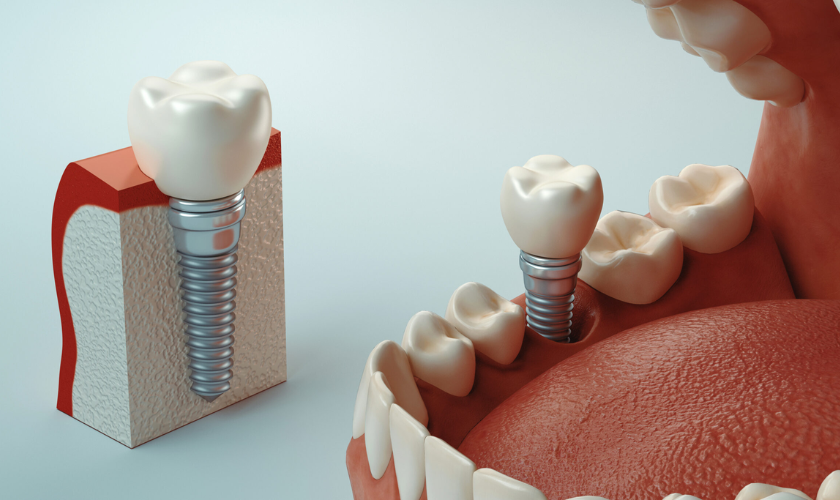
Implants have revolutionized modern medicine, offering solutions for a myriad of health issues, from dental problems to joint replacements. However, the journey doesn’t end once the implants are in place. Understanding the recovery process is crucial for ensuring a successful outcome and optimal long-term results. In this comprehensive guide, we’ll explore what happens after implants and delve into the intricacies of the recovery journey.
Immediate Post-Implant Phase
Immediately after dental implant surgery, patients are often monitored closely in a recovery area to ensure there are no immediate complications such as excessive bleeding or allergic reactions to anesthesia. Depending on the type of implant and the complexity of the procedure, patients may experience varying levels of discomfort, swelling, and bruising.
Managing Discomfort and Swelling
Pain management is a crucial aspect of the recovery process. Your healthcare provider may prescribe pain medications or recommend over-the-counter pain relievers to help alleviate discomfort. Applying ice packs to the affected area can also help reduce swelling and inflammation.
Post-Surgery Care Instructions
Following implant surgery, patients will receive detailed post-operative care instructions from their healthcare provider. These instructions typically include guidelines for oral hygiene, wound care, dietary restrictions, and activity limitations. It’s essential to follow these instructions diligently to promote proper healing and minimize the risk of complications.
Healing and Recovery Timeline
The healing and recovery timeline can vary depending on factors such as the type of implant, the patient’s overall health, and the success of the surgical procedure. In general, most patients can expect initial healing to occur within the first few weeks following surgery. However, complete integration of the implant into the surrounding tissue may take several months.
Long-Term Healing and Maintenance
Even after the initial recovery period, ongoing care and maintenance are essential for ensuring the long-term success of implants. Regular follow-up appointments with your healthcare provider are typically scheduled to monitor healing progress and address any concerns that may arise. It’s also crucial to maintain good oral hygiene and adhere to any specific instructions provided by your dentist or surgeon.
FAQs (Frequently Asked Questions)
1. How long does it take to recover from implant surgery?
The recovery timeline can vary depending on several factors, but most patients can expect initial healing within a few weeks, with complete integration taking several months.
2. Are there any dietary restrictions after implant surgery?
Your healthcare provider may recommend temporary dietary restrictions, such as avoiding hard or chewy foods, to prevent damage to the surgical site and promote healing.
3. Can I resume normal activities after implant surgery?
It’s essential to follow your healthcare provider’s recommendations regarding activity limitations. While light activities may be permissible, strenuous exercise and heavy lifting should typically be avoided during the initial recovery period.
Your journey doesn’t end with implant surgery—it’s just the beginning of a path towards improved health and well-being. By understanding and following the recovery process diligently, you can help ensure the success of your implants and enjoy the benefits they provide for years to come. If you have any concerns or questions about your recovery journey, don’t hesitate to reach out to your dentist for guidance and support.